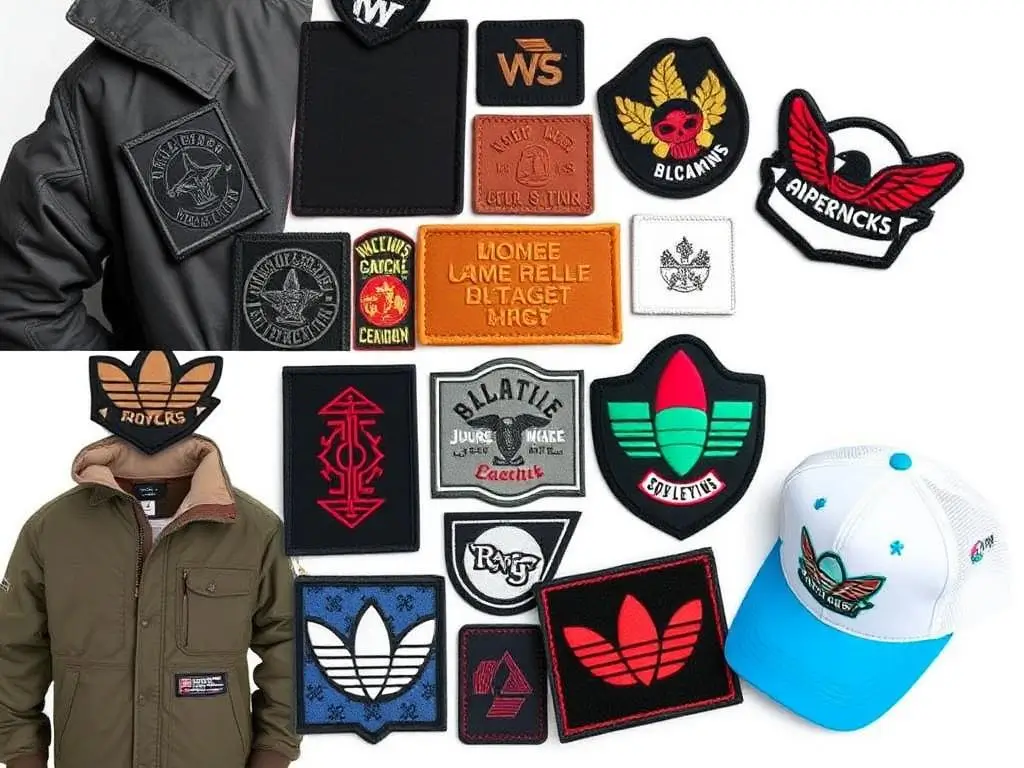
Custom patches have been a staple in branding and personalization for decades. From military uniforms to corporate apparel, patches are versatile, durable, and visually striking offering businesses, teams, and individuals an easy way to showcase their identity on almost any fabric surface.
Why Choose Custom Patches?
Custom patches stand out for a few practical reasons:
- Durability – made with high-quality materials, patches hold up to regular wear and washing far better than printed designs.
- Versatility – they can be sewn, ironed, or Velcro-backed onto a wide range of fabrics and products.
- Aesthetic appeal – patches add a polished, professional look to apparel, bags, and accessories alike.
These qualities are exactly why patches remain a go-to option for branding, fashion, and personal expression.
Types of Custom Patches
There isn’t a single “best” patch material the right choice depends on the look, budget, and use case. Some of the most common options include:
- PVC patches – durable and weather-resistant, a strong choice for outdoor gear and uniforms.
- Chenille patches – soft and textured, most often seen on varsity jackets.
- Leather patches – add a more refined, upscale touch to bags and apparel.
- Sequin patches – sparkling and eye-catching, popular for fashion-forward pieces.
If you’re deciding between a stitched look and a woven finish for a design, it’s worth understanding how a woven patch compares to an embroidered one before choosing a material.
Where Custom Patches Are Used
Patches show up across a wide range of settings, including:
- Uniforms – military, police, and scout uniforms rely on patches for identification and rank.
- Promotional merchandise – branded patches on hats and backpacks make for effective, low-cost marketing.
- Fashion – designers use patches to add personality and detail to clothing and accessories.
- Event memorabilia – custom patches are a common keepsake for tournaments, reunions, and special occasions.
Why Working with Experienced Patch Makers Matters
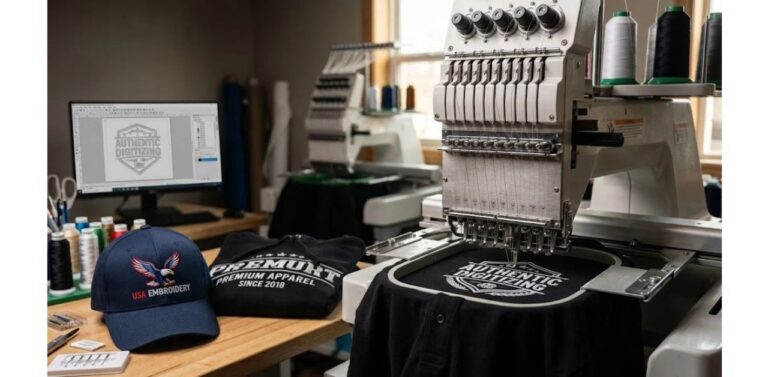
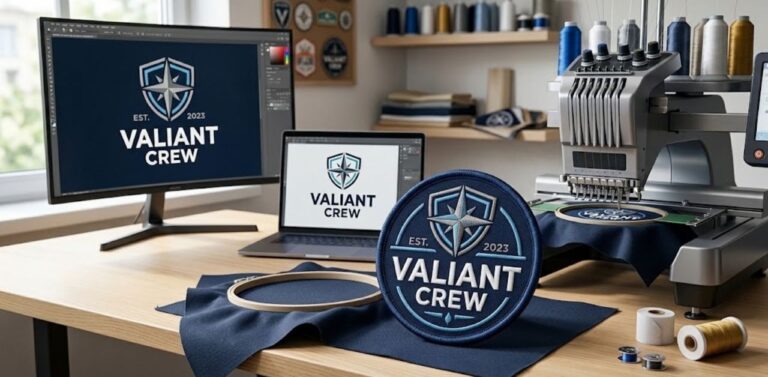
Creating a custom patch isn’t just about picking a material the design has to be digitized correctly so fine details, text, and colors translate cleanly onto fabric. A poorly digitized patch file can result in blurred edges, missing detail, or colors that don’t match the original artwork.
Our custom patches service covers this end-to-end: from digitizing the artwork to producing the finished patch in the material and backing that fits your project.
Final Thoughts
Custom patches are more than a decorative add-on they’re a durable, versatile branding tool that works across uniforms, merchandise, and fashion alike. Whether you need a bold statement piece or a subtle accent, choosing the right material and working with an experienced team makes the difference between a patch that looks premium and one that doesn’t hold up. If you’re ready to get started, our team can help you go from artwork to a finished patch backed by real embroidery digitizing services experience.
FAQs
1. What’s the most durable type of custom patch?
A: PVC patches are generally the most durable and weather-resistant, which is why they’re a common choice for outdoor gear and uniforms.
2. Can I choose how a patch attaches to fabric?
A: Yes patches can typically be made with iron-on, sew-on, or Velcro backing, depending on how you plan to use them.
3. How long does it take to make custom patches?
A: Turnaround varies by patch type and quantity, but most standard orders can be digitized and produced within a few days.
4. Do custom patches work on all fabrics?
A: Most patches attach well to cotton, denim, and canvas. Very thin or stretchy fabrics may need extra backing or reinforcement to hold the patch securely.
5. What’s the difference between chenille and embroidered patches?
A: Chenille patches use a soft, looped yarn for a raised, textured look, while embroidered patches use fine thread stitching for sharper detail and smaller text.