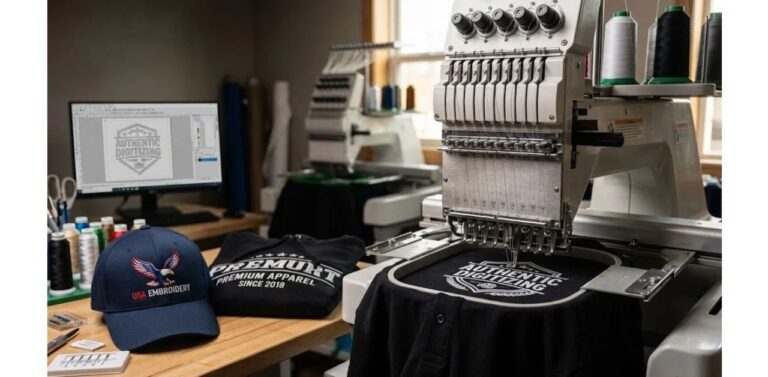
Structured caps are lined with stiff buckram, which makes it easy to accommodate thick filling and large design sizes. Conversely, unstructured caps lack this inner lining, and this necessitates a lower stitch density, pull compensation, and heavier backing to avoid fabric puckering. Because different materials react uniquely to needle penetration, hat digitizing requires custom settings tailored specifically to each crown type. At Infinite Digitizing, we tailor every file to match the structural integrity of your chosen blank, ensuring crisp, professional results every time.
What Is the Difference Between Structured and Unstructured Caps?
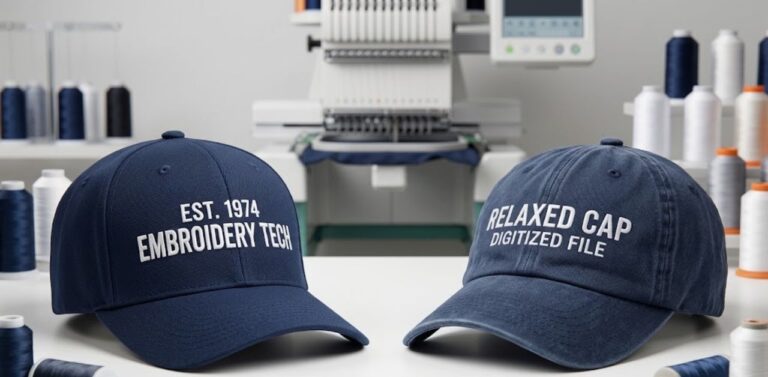
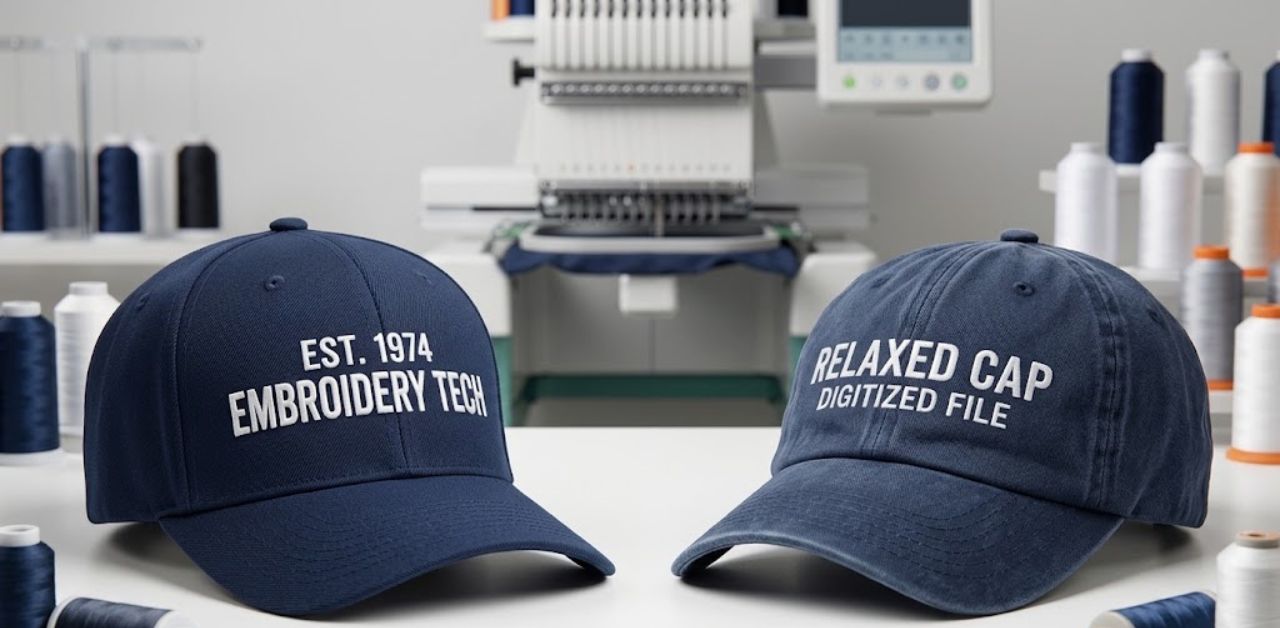
A structured hat consists of a rigid buckram lining in the front panels to create an upright structure, but the unstructured hat does not have the stiff lining and has a soft fabric that easily conforms to the wearer’s head.
- Structured Cap: Made with a stiff buckram or canvas lining at the front panels. Has a rigid, rounded form, high crown, and is popular among baseball caps and truckers.
- Unstructured Cap: Completely lacks any form of stiff support. Soft and floppy, low profile, easily foldable; a typical example would be dad hats.
- Why it matters: The drastic difference in the fabric tension and movement as soon as the needle penetrates through it makes it impossible for a universal file to work well on either cap.
Quick Comparison: What Changes in the Digitizing File
When looking into professional cap embroidery digitizing, you cannot simply copy and paste an embroidery file from one hat style to another. Using an identical file across both hat types inevitably triggers puckering, material gathering, and distorted outlines.
| Setting | Structured Cap | Unstructured Cap |
|---|---|---|
| Front Panel | Firm, buckram-backed | Soft and flexible |
| Stitch Density | Standard cap density | Slightly reduced as needed |
| Underlay | Edge run with light fill support | Lightweight, balanced support |
| Pull Compensation | Moderate, design-dependent | Adjusted for fabric movement |
| Design Size | Larger designs may be suitable | Smaller, simpler designs often work better |
| Stabilizer | Suitable backing for cap and design | Supportive backing to limit distortion |
| 3D Puff | Generally well suited | Higher risk; test carefully |
| Stitch Sequence | Center-outward for front designs | Center-outward with controlled travel |
Note: Exact numeric ranges for density, maximum design height, and pull compensation should always be verified with your production floor or digitizing team based on fabric weight.
How a Structured Cap Behaves Under Machine Embroidery
The rigid buckram incorporated in a Structured Cap is an integral stabilizer. It holds up large fill stitches, helps the satin borders remain crisp, and keeps the fabric from puckering inward due to the tension from many stitches being pulled on it each minute.
- Clean Fill Execution: Due to the stiffness of the fabric, solid fill areas will lie perfectly flat without sinking into the fabric.
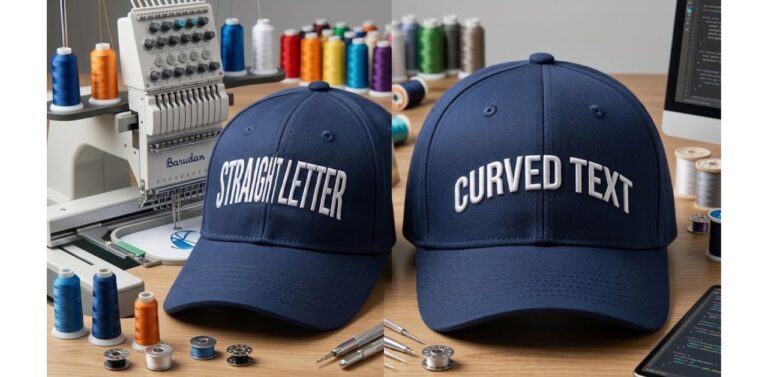
- Curved Crown Dynamics: Despite the presence of buckram, the curve in the fabric still needs proper sequencing and correct pull compensation.
- Seam Management: Most structured caps contain a seam in the center of the design vertically. Travel plans need to be thought out so that stitches do not span tightly over the seam line and break during the sewing process.
- Size Boundaries: You have a little more room to work with size in terms of height and width since it can hold up a bigger surface area.
Ultimately, structured caps are much more forgiving when it comes to embroidery but still need a special file that is designed for hats and not flat wearables.
Why Unstructured Caps Need a Different Digitizing Approach
Mastering the art of hat digitizing for soft headgear requires understanding the fact that the material dictates everything in this business. An Unstructured Cap, without a buckram back, will stretch, gather, and move away each time the needle penetrates the fabric.
- Fabric Shift Control: Tight and heavy stitches tug soft cotton fabric inwards and cause puckering at the edges of the design.
- Lighter Density Strategies: To overcome distortion, digitizers should have to decrease stitch density, decrease overlapping underlays, and smooth out the stitch paths.
- Detail Simplification: Small text and thin satin columns usually sink into a relaxed fabric, so the text needs to be slightly opened or thickened.
Creating a file for a soft hat is not just repeating the pattern but controlling the material movement under pressure.
File Settings That Change: Density, Underlay, Compensation, Size
When you are doing your designs yourself or outsourcing them to professional cap digitizing services, having a list of all modifications at hand can save you from making mistakes while sewing:
- Density: Reduce the stitch count a little bit so that the fabric doesn’t turn into something hard and stiff like cardboard.
- Underlay: Make sure that underlays are lightweight and provide sufficient support to hold the fabric down on the backing layer.
- Pull Compensation: Add to compensation values to compensate for how much the material pulls inwards as more stitches are added.
- Design Size: Keep graphics compact and straightforward to minimize sagging on floppy front panels.
- Stitch Sequencing: Always build the file to sew from the center outward, minimizing unnecessary trims and long travel runs that distort the material.
Before starting your next run, review common pitfalls with common embroidery digitizing mistakes to keep your production smooth.
Stabilizer Choices for Unstructured Caps
Since the Unstructured Cap does not have any buckram inside, the task is carried by the external as well as internal backing.
- Replacement Support: Stabilizer becomes the backbone of the hat during the process of embroidery.
- Backing Selection: Heavier cut-away backings are used for dense, multi-layer designs, whereas tear-away backings are ideal for light line art
- Hooping Tension: Make sure that you clamp the backing tightly without distorting the material before embroidering.
- The Synergy Rule: A lighter and balanced stitch file coupled with strong stabilizer is better than a heavy stitch file on a weak backing.
For more detailed information on choosing the right backing for particular materials, read through how to use different stabilizers for embroidery.
Why Embroidery Puckers (and 3D Puff Limits)
Puckering is generally caused by high stitch density, insufficient stabilizer strength, lack of pull compensation, or poor hooping. To solve these problems, you have to reduce the density, use a better backing, and adapt the design to the hat style.
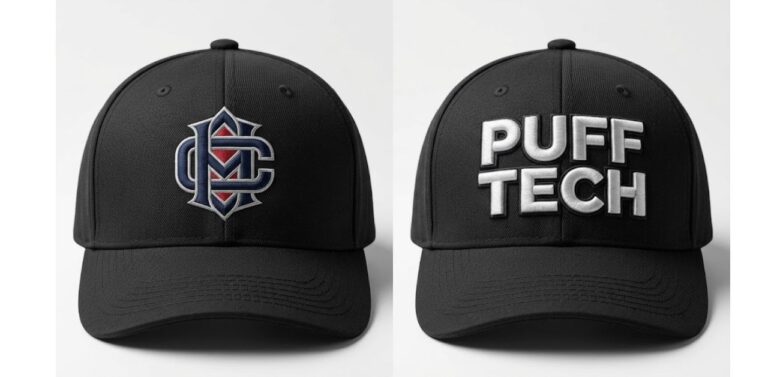
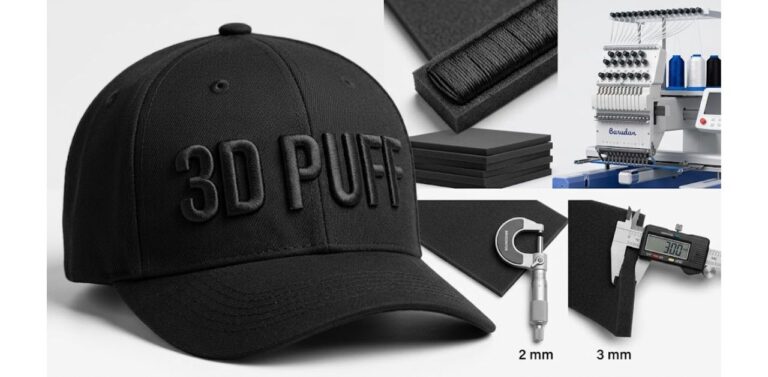
Regarding 3D foam letters, they look great on structured hats, as they have firm buckram support. For unstructured hats, the application of 3D puff is highly discouraged as this fabric is too soft, allowing the foam to show through or fold over. When using puff on an unstructured hat, make sure that it’s large and thick enough to stand out on its own, backed by a strong stabilizer. For better estimation of your turnaround times after file adjustments, see how long it takes to embroider a hat.
Why Work With A Professional Cap Digitizing Provider
Efficient headwear embroidery saves valuable time, thread, and garments on the first run. For businesses searching for trusted cap embroidery digitizing services USA, partnering with experienced professionals who test files on actual cap frames ensures perfect balance in pull compensation, underlays, and fabric tension.
If you want to skip the guesswork, eliminate puckering, and achieve crisp results on both rigid and relaxed styles, leave the technical execution to experienced hat embroidery digitizing services.
Final Takeaways
Cap embroidery necessitates an adjustment of the digitizing file according to the structure of the crown. Although structured caps are suited for thick designs and 3D puff, unstructured caps require less density, increased pull compensation, and stronger backings. Personalizing your machine’s pathways for each material ensures you achieve perfect, professional results without any puckers.
Infinite Digitizing expertly tailors every file for structured and unstructured caps to eliminate puckering and ensure flawless, professional embroidery results.
FAQs
1. What is the difference between structured and unstructured caps?
A: A structured cap features a firm, buckram-backed front panel that holds its shape independently, whereas an unstructured cap uses soft, flexible fabric without rigid internal stiffening.
2. Do structured and unstructured caps need different digitizing files?
A: Yes. Unstructured caps require modified stitch density, lighter underlays, increased pull compensation, and smaller designs compared to files built for structured caps.
3. Which stabilizer works for unstructured caps?
A: Firmer cut-away or supportive backing materials are necessary to replace the missing internal structure and prevent fabric distortion during machine embroidery.
4. Why does embroidery pucker on unstructured hats?
A: Puckering occurs when stitch density is too high, pull compensation is missing, or the soft fabric lacks adequate stabilization to handle needle penetration.
5. Can 3D puff be used on unstructured caps?
A: It is generally avoided because soft fabrics lack the rigid support needed to cleanly slice and trap foam; it works best on structured caps.