Embroidery has always been a reliable way to add depth to a design, but 3D puff embroidery pushes that further. Instead of lying flat against the fabric, the design is raised, bold, textured, and hard to miss. That tactile quality is exactly why it’s become a go-to choice in fashion, branding, and sportswear over the past few years.
What Is 3D Puff Embroidery?
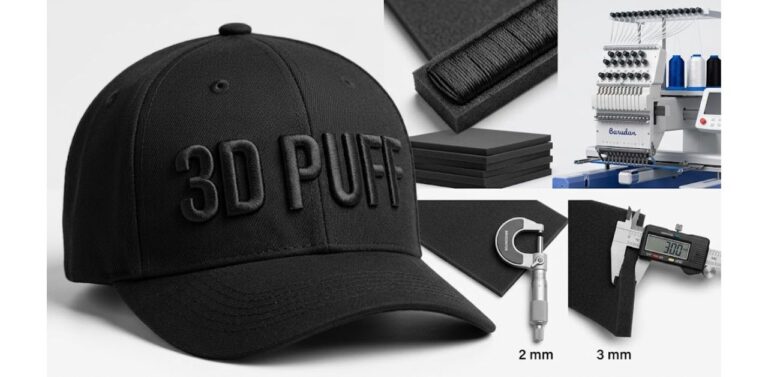
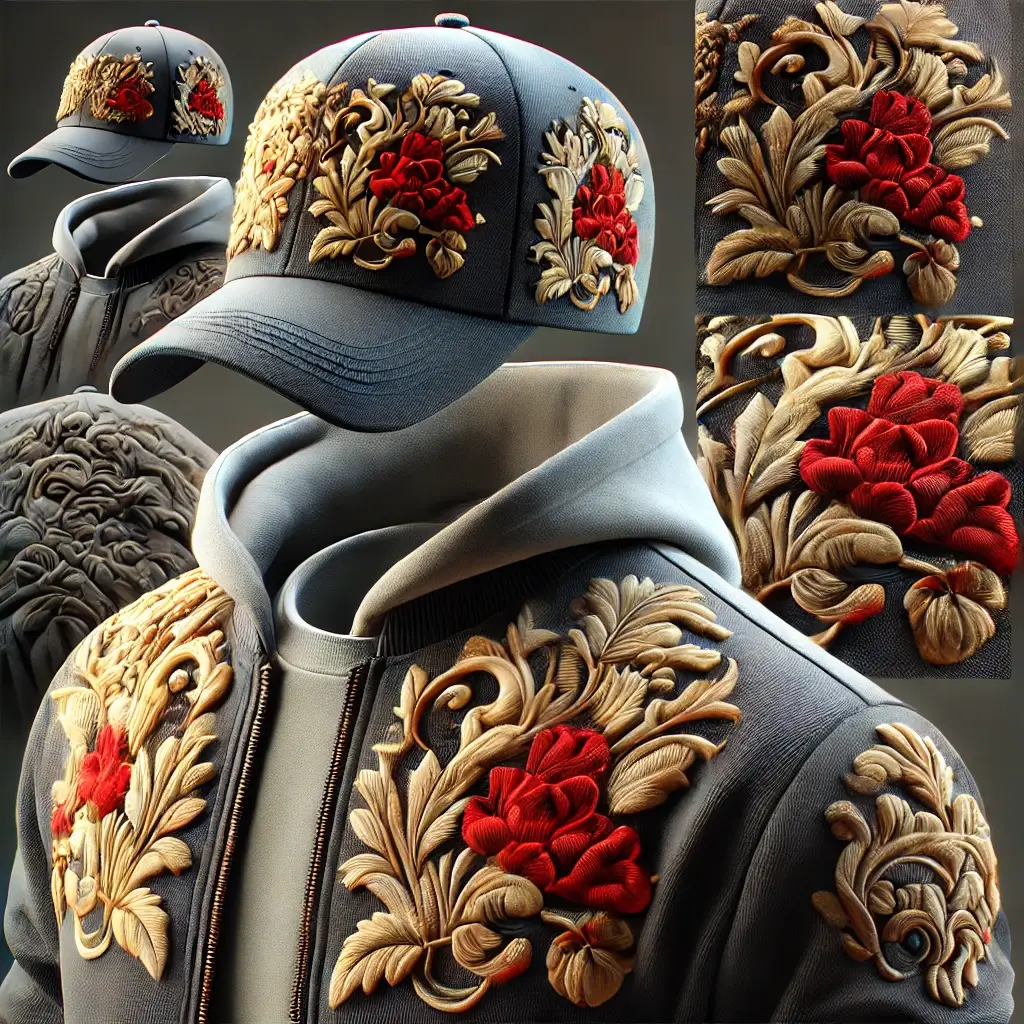
3D puff embroidery is a technique that places foam underneath the stitching to create a raised, three-dimensional effect. The foam gives the design height and texture, making it stand out from the fabric rather than sitting flush against it. It works best on bold text, logos, and simple shapes, the kind of clean geometry that this process, which is a specialized branch of standard embroidery digitizing, is built to highlight.
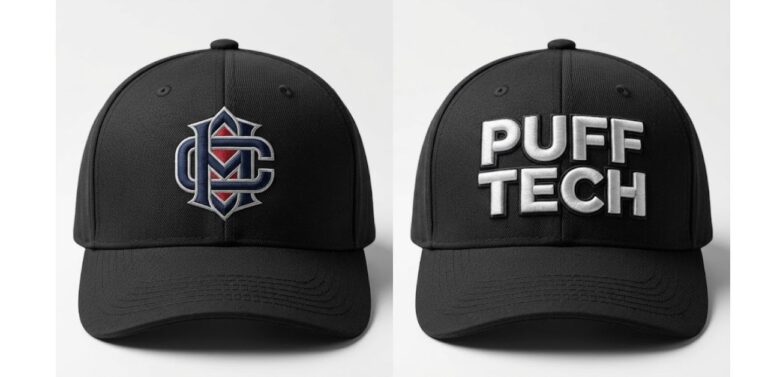
A company logo stitched in 3D puff on a baseball cap is a good example of why the technique works so well: the raised effect catches attention immediately and gives the product a noticeably more premium feel.
Why 3D Puff Embroidery Has Grown So Popular
A few reasons keep coming up when brands and designers choose 3D puff over flat embroidery:
- It stands out – the raised effect adds a physical dimension that’s genuinely hard to replicate with flat stitching.
- It adds perceived value – garments and accessories look and feel more premium with a puff finish.
- It strengthens branding – it’s become a favorite for logos, especially on hats and jackets, because it makes a brand mark more memorable.
It also gives designers more room to experiment, bold fonts, strong colors, and simple geometric shapes all translate well into a raised finish.
Where 3D Puff Embroidery Shows Up
This technique is used across a range of products, most commonly:
- Caps and hats – logos on embroidered caps look sharper and bolder with a raised finish.
- Jackets and hoodies – a textured logo or monogram on jacket back designs gives outerwear a more finished, premium look.
- Sports apparel – teams use puff embroidery for jersey logos and merchandise that needs to stand out on camera and in person.
- Fashion accessories – bags, backpacks, and wallets benefit from the same raised-texture effect.
Where Things Go Wrong (and How Experienced Digitizers Avoid It)
3D puff looks simple in the finished product, but it’s unforgiving of mistakes. Foam that’s too thin or too thick, incorrect stitch density, or a poorly planned outline can all lead to foam showing through the stitches or an uneven, lopsided design.
Getting it right depends on:
- Choosing the correct foam thickness for the design size and detail level
- Planning stitch density so the foam is fully and evenly covered
- Digitizing outlines cleanly so edges stay sharp instead of ragged
This is why 3D puff work benefits from an experienced team rather than a generic digitizing job, small miscalculations are far more visible in a raised design than in flat embroidery.
Final Thoughts
3D puff embroidery isn’t just a passing trend, it’s become a genuine standard for brands that want their logo to be seen and felt, not just seen. Its bold, raised finish, combined with the right foam thickness and stitch density, is what gives caps, jackets, and branded merchandise that premium edge. If you’re looking for reliable embroidery digitizing services for your next project, we handle every 3D puff design with the precision it needs to come out clean and consistent.
FAQs
1. What is 3D puff embroidery?
A: It’s an embroidery technique that uses foam underneath the stitching to create a raised, three-dimensional design, most commonly used for logos and bold lettering.
2. Does 3D puff embroidery work on all fabrics?
A: It works best on sturdier fabrics like caps and twill jackets. Thin or stretchy fabrics can struggle to support the foam and stitching without distorting.
3. Why does foam sometimes show through the stitching?
A: This usually happens when the stitch density is too low or the foam thickness doesn’t match the design size, both are things an experienced digitizer accounts for before the file is finalized.
4. Is 3D puff more expensive than regular embroidery?
A: It typically costs a bit more due to the foam material and the extra digitizing precision required, but the raised, premium look is often worth it for logos and branding.
5. What kind of designs work best for 3D puff?
A: Bold text, simple logos, and clean geometric shapes work best. Fine details or thin lines tend to get lost once the foam and raised stitching are added.