Appliqué digitizing prepares embroidery designs that use fabric pieces instead of dense thread fills. The process combines placement, tack-down, and finishing stitches to create clean, textured designs for sportswear, fashion, home décor, and branded apparel.
What Is Applique Digitizing?
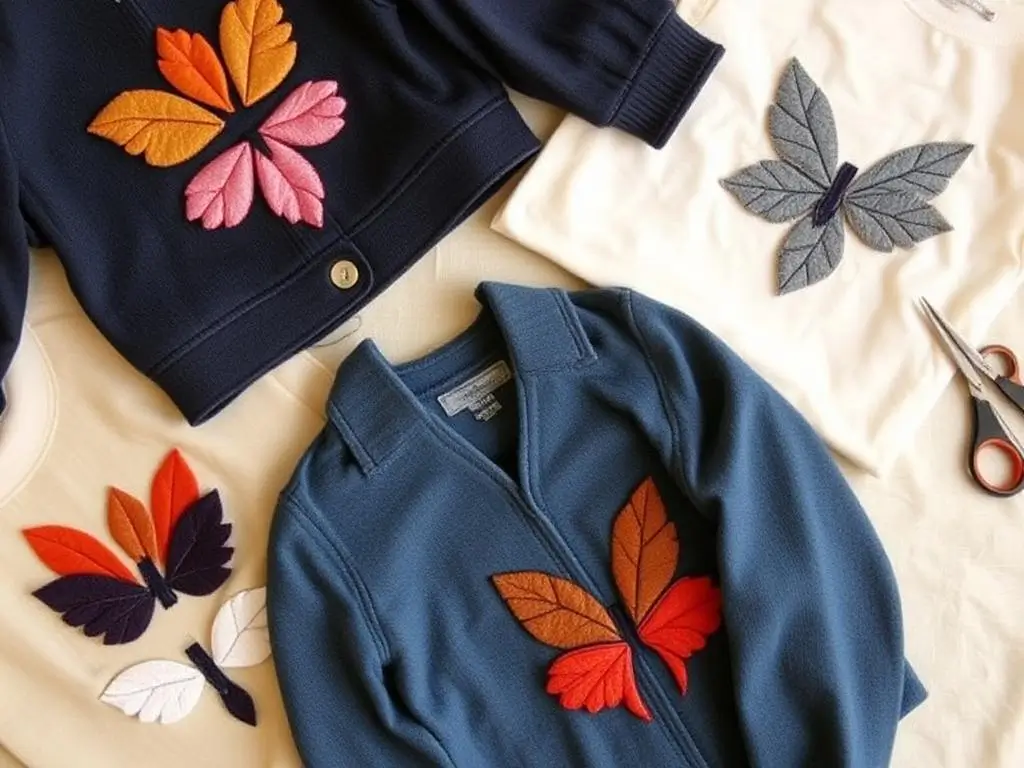
Applique digitizing is the process of preparing an embroidery file for a design where fabric pieces are sewn onto a base material instead of being filled in entirely with thread. The fabric layer creates texture and dimension while also cutting down on the number of stitches needed, which makes applique both visually distinct and often more cost-effective than a dense, all-stitch design.
A varsity jacket with an appliqued logo is a good example: bold fabric colors combined with embroidered outlines and details create a look that a standard stitch fill can’t quite replicate.
Why Choose Applique Over Standard Embroidery?
Applique digitizing brings a few clear advantages to a project:
- Unique texture – layered fabric adds depth that flat stitching can’t match.
- Lower stitch count – fewer stitches mean faster production and, often, lower cost.
- More design freedom – almost any fabric can be used as the applique layer, opening up color and texture combinations standard thread alone can’t achieve.
Where Applique Embroidery Is Used
Applique shows up across a wide range of products, including:
- Sports apparel – jersey numbers and team logos often use applique for a bold, raised look.
- Fashion – jackets, hoodies, and dresses use applique to add visual flair.
- Home decor – pillowcases, curtains, and quilts frequently feature appliqued patterns.
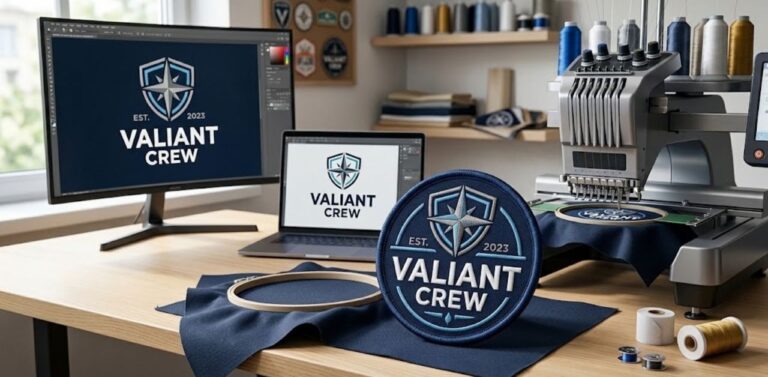
- Corporate branding – appliqued logos give promotional apparel and custom patches a more premium, tactile finish.
If you’re new to the technique, it helps to first understand how appliqué embroidery works at a stitch level before digitizing a full design.
Why Expert Digitizing Matters for Applique
Applique isn’t forgiving of guesswork. The fabric layer has to align precisely with the tack-down stitches and the finishing embroidery, or the design shifts, gaps appear, or edges fray after a few washes. A digitizer working on an applique file needs to plan:
- The correct placement stitch to hold the fabric in position
- Tack-down stitching that secures the edges cleanly
- A finishing stitch (satin or cover stitch) that hides raw edges and adds definition
Get any one of these wrong, and the finished piece looks unfinished no matter how good the original artwork was.
Final Thoughts
Applique digitizing is one of the most effective ways to add texture, color, and dimension to an embroidery design. Whether it’s for sports apparel, fashion, or branded merchandise, getting the placement and finishing stitches right is what separates a professional result from one that looks unfinished. If you’re looking for reliable embroidery digitizing services for your next applique project, our team can help you get from artwork to a finished, machine-ready file, including our dedicated applique digitizing service.
FAQs
1. What is applique digitizing?
A: Applique digitizing is the process of creating an embroidery file for a design where a fabric piece is sewn onto a base material, rather than filled in entirely with stitches.
2. Is applique cheaper than regular embroidery?
A: Often, yes. Because applique uses a fabric layer instead of dense stitch fill, it typically requires fewer stitches, which can reduce production time and cost, especially on larger design areas.
3. What fabrics work best for applique?
A: Twill, felt, and canvas are common choices because they hold their shape well and don’t fray excessively during stitching. Softer or stretchy fabrics need extra stabilizing to avoid shifting.
4. Does applique last as long as standard embroidery?
A: Yes, when digitized correctly. Proper tack-down and finishing stitches keep the fabric edges secure through regular washing and wear.
5. Can any logo be turned into an applique design?
A: Most can, but logos with very fine detail or thin lines are harder to translate into fabric layers and may need simplifying for a clean applique result.