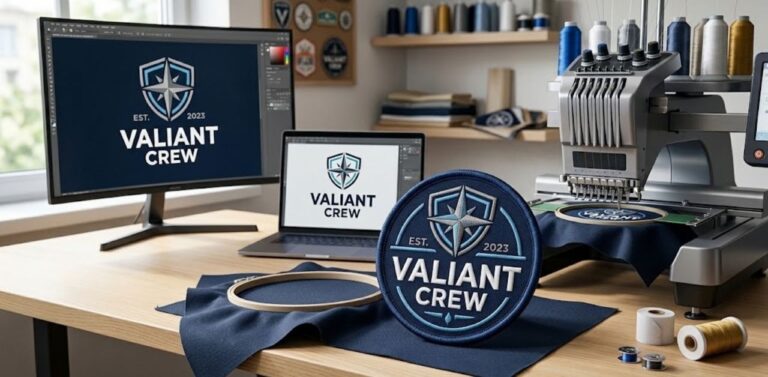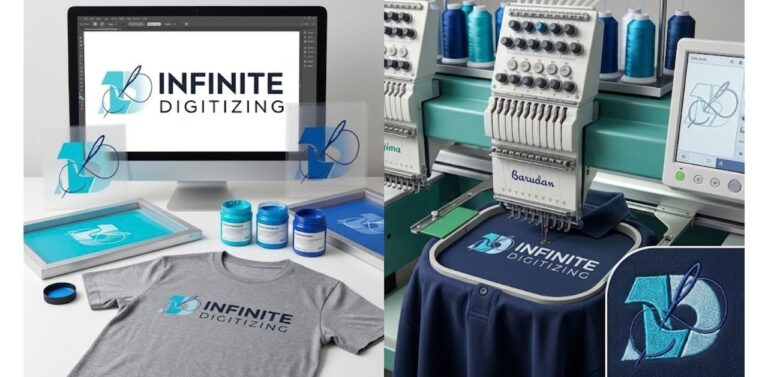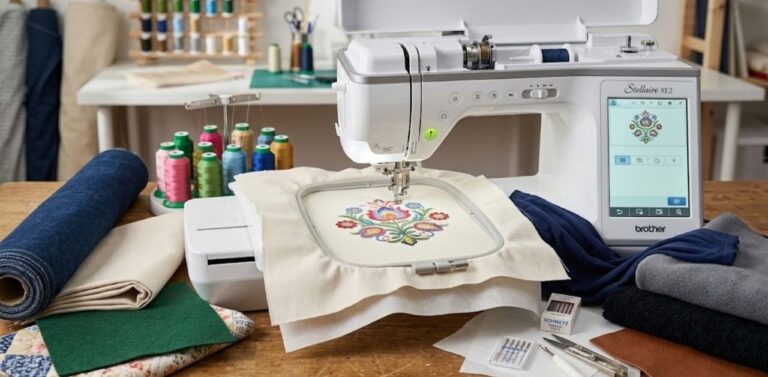

Embroidery digitizing services are professional services that convert artwork into a stitch file that an embroidery machine can read and reproduce. The process involves planning stitch types, direction, density, underlay, sequencing, and other settings based on the design, fabric, and intended application.
What Digitizing Really Means
An embroidery machine can’t use JPGs, PNGs, or PDFs directly. A digitizer:
Re-draws your design using stitch types (satin, fill, running stitch)
Chooses stitch direction, density, and sequence
Adjusts for fabric type so the design stitches cleanly
Exports a machine-ready file (like DST, PES, EXP, JEF, etc.)
What You Give vs What You Get
To create an embroidery file, you typically provide artwork or design information that can be used as the basis for digitizing.
What You Give
Depending on the project, the input may include:
- Logo or artwork
- JPG, PNG, PDF, or other available image files
- Text or lettering
- A sketch or reference image
- Intended design size
- Fabric or garment information
What You Get
The final result is a machine-readable embroidery file containing stitch instructions.
The file may include information such as:
- Stitch types and directions
- Stitch density
- Underlay
- Stitch sequence
- Trims and color changes
- Design size and placement
The required file format depends on the embroidery machine or software being used.
What Digitizing Services Are Used For
Company logos on uniforms
Caps, hats, and beanies
Jackets, hoodies, and Polo
Custom patches
Promotional and branded merchandise
Is Digitizing a One-Time Cost?
Once artwork has been properly digitized, the resulting embroidery file can generally be reused for future production as long as the design, size, fabric, and application remain suitable.
However, a file may need adjustments if you want to:
Change the design size significantly
Use the design on a different type of fabric
Adapt it for a different embroidery application
Change or simplify design details
Correct production issues identified during testing
This means the original digitized file can often be reused, but adjustments may be necessary when the production requirements change.
Why Professional Digitizing Matters
Bad digitizing =
Thread breaks
Puckering fabric
Poor detail and uneven stitches
Good digitizing =
Clean, sharp embroidery
Faster machine run time
Less thread waste
What Affects Embroidery Digitizing Cost?
The cost of embroidery digitizing can vary depending on the design and how it needs to be prepared for production.
Common factors that can affect the cost include:
- Design Complexity: Detailed artwork, small elements, gradients, and complex shapes usually require more digitizing work.
- Design Size: Larger embroidery designs may require more stitches and additional planning.
- Stitch Count: Designs with more stitches generally require more time to create and review.
- Fabric and Application: Caps, jackets, patches, and different garment materials may require different digitizing techniques.
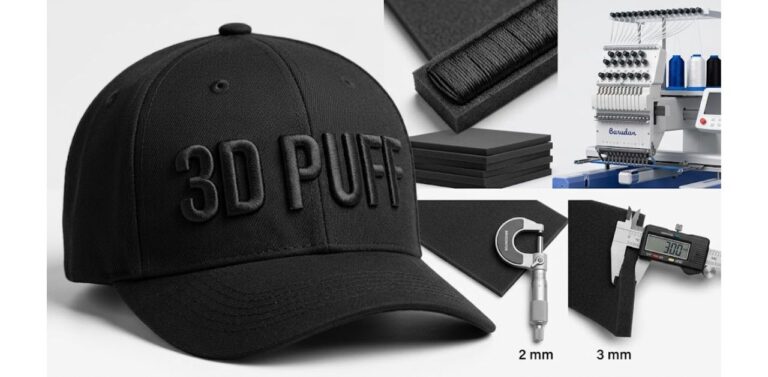
- Special Effects: Techniques such as 3D puff, appliqué, or highly detailed lettering can require additional planning.
Because every design is different, there is no single price that applies to every embroidery digitizing project.
Common Embroidery File Formats
Embroidery machines and software can use different file formats. The correct format depends on the machine brand, software, and production setup.
Common embroidery formats include:
DST: Widely supported by many commercial embroidery machines.
PES: Commonly associated with Brother embroidery machines and software.
EXP: Used by certain embroidery systems, including some commercial machines.
JEF: Commonly used with Janome embroidery machines.
VP3: Used with certain embroidery machines and software, including some Husqvarna Viking systems.
XXX: Associated with some embroidery machines and software.
A design may need to be exported in a specific format depending on the machine being used. Before using an embroidery file, confirm the required format and supported specifications for your machine or software.
What Machine and Fabric Will the Design Be Used On?
The embroidery machine and fabric can affect how a digitized design should be prepared.
Different machines may require different file formats, while different fabrics can require adjustments to stitch density, underlay, pull compensation, and stitch direction.
When preparing an embroidery design, consider:
- Machine Type: Check which file format your embroidery machine or software supports.
- Design Size: Make sure the design fits the intended embroidery area.
- Fabric Type: Caps, jackets, fleece, cotton, and lightweight fabrics may require different digitizing approaches.
- Thread and Stitching: Stitch density and stitch direction may need to be adjusted depending on the material and design.
- Application: A design intended for a cap may need different construction from the same design used on a flat garment.
Understanding the machine, fabric, and application helps ensure that the embroidery file is prepared appropriately for production.
How to Evaluate an Embroidery Digitizing Provider
If you need professional embroidery digitizing, look for a provider that understands how different fabrics, embroidery machines, and design types affect stitch quality.
Some important factors to consider include:
- File Compatibility: Make sure the provider can supply the format required by your embroidery machine or software.
- Stitch Quality: Check whether the digitized design uses appropriate stitch types, density, underlay, and sequencing.
- Fabric Experience: Different materials such as caps, jackets, fleece, and lightweight garments may require different digitizing approaches.
- Turnaround Expectations: Confirm the expected delivery time before placing an order, especially for time-sensitive production.
- Revision and Quality-Control Policies: Understand how design corrections, revisions, and quality checks are handled.
- Production Testing: When possible, a sew-out or stitch simulation can help identify problems before the design is used in production.
Choosing a provider based on these factors can help reduce common embroidery problems such as thread breaks, puckering, gaps, and distorted details.
Things to Consider When Choosing a Digitizing Service
When evaluating an embroidery digitizing provider, consider factors that can affect the final stitch quality and production result:
- File Compatibility: Make sure the provider can supply the file format required by your embroidery machine or software.
- Stitch Quality: Check whether the digitized design uses appropriate stitch types, density, direction, and underlay.
- Fabric and Application: The digitizing approach should account for the fabric, garment type, and intended use of the design.
- Turnaround Expectations: Consider whether the expected delivery time matches your production schedule.
- Revision and Quality Control: Understand how corrections, revisions, and quality checks are handled.
- Production Testing: When possible, review a sew-out or stitch simulation to identify issues before full production.
When choosing an embroidery digitizing provider, compare factors such as file compatibility, stitch quality, experience with different fabrics and applications, turnaround expectations, revision policies, and quality-control practices.
The right choice depends on your design requirements, production needs, embroidery equipment, and expected quality level.
Conclusion
Embroidery digitizing is the process of converting artwork into stitch instructions that an embroidery machine can read and reproduce.
The quality of the final embroidery depends on factors such as stitch type, density, underlay, sequencing, fabric, design size, and machine compatibility. Understanding these factors can help you choose appropriate file formats and avoid common production problems.
Whether you are learning about embroidery digitizing for the first time or preparing designs for production, understanding the basic process makes it easier to evaluate embroidery files and digitizing workflows.